Byadmin
What Is the Difference Between Coins and Tokens?
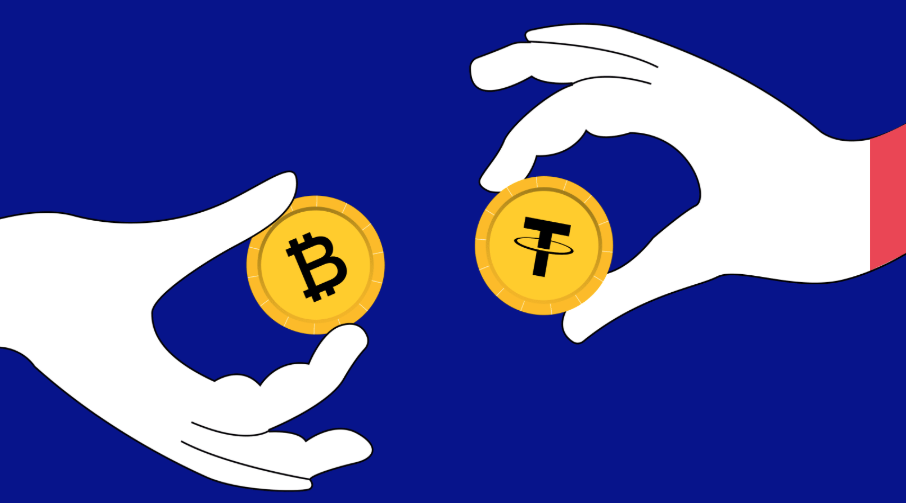
Coins and tokens occupy distinct roles in blockchain ecosystems. Coins are native to their blockchains, securing monetary sovereignty and on-chain value; tokens are programmable assets built atop existing chains, granting access, rights, or utility within a protocol. The differences span independence, governance, and on-chain utility, shaping risk and interoperability. A practical framework emerges from these axes, guiding when a project should issue a native coin versus a programmable token. The implications hint at deeper considerations worth examining.
What Are Coins and Tokens, and Why They Matter
Coins and tokens are fundamental digital assets in blockchain ecosystems, distinguished by their functional role and on-chain mechanics: coins typically represent native units of a blockchain (used as a medium of exchange, store of value, or unit of account), while tokens are programmable assets built on existing blockchains that convey value or access rights without constituting the underlying protocol’s currency.
Coins and tokens use cases, value drivers.
See also: What Is Slippage in Crypto Trading?
How Coins and Tokens Differ in Independence, Use, and Value
Independence, use, and value delineate coins from tokens. The analysis treats autonomy as a structural property, not a market cap metric. Independence vs usage captures whether a asset sustains activity without governing blueprints.
Value determination vs utility contrasts subjective appraisal with functional payoff; coins lean toward reserve-like sovereignty, tokens toward protocol-driven applications. Clarity arises from measuring governance, liquidity, and interoperability under standardized frameworks.
Common Coin Types and Token Categories
coin types, token categories, blockchain platforms, governance tokens, privacy coins, utility tokens, security tokens.
Deciding Between a Coin and a Token: A Practical Framework
A practical framework for choosing between a coin and a token centers on governance scope, economic design, and on-chain utility, translating high-level distinctions into actionable criteria.
The framework supports deciding between a coin by emphasizing independence, monetary sovereignty, and on-chain security, while distinguishing token use cases through asset-backed, utility, or governance-driven roles.
It clarifies identifying independence and value, guiding token vs coin use cases.
Conclusion
Coins and tokens occupy distinct layers of blockchain ecosystems: coins are native currencies with protocol-level security and monetary sovereignty, while tokens are programmable assets leveraging another chain’s security and governance. Coins anchor value and settlement; tokens enable protocol-specific utility, access, or rights. Common coin types and token categories reflect this divide, guiding design and interoperability decisions. Practically, choose based on sovereignty versus programmability, security model, and governance needs. Metaphor rhythm: coins are the backbone; tokens are the limbs, extending reach within the organism.