
What Is Slippage in Crypto Trading?

Slippage in crypto trading is the gap between the expected execution price and the actual fill. It arises from order type choices, market depth, and timing, especially during rapid moves or thin liquidity. In volatile phases, fills can deviate widely;…
ByJohn A
What Is Proof of Work in Blockchain?
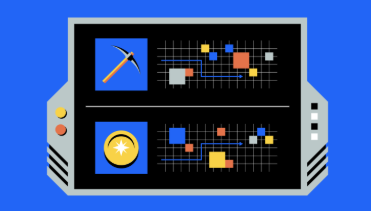
Proof of Work is a consensus mechanism where participants solve computational puzzles to validate transactions and append blocks. Miners expend energy to produce the hardest-to-reproduce proof and compete to propose the next block. The chain with the most cumulative effort…
What Is Proof of Stake in Blockchain?

Proof of Stake is a consensus mechanism where validators secure the network by locking up capital. Validators are chosen to propose and validate blocks based on stake size and protocol rules, with penalties for misbehavior. Unlike Proof of Work, it…
What Is Impermanent Loss in DeFi Platforms?

Impermanent loss (IL) arises when providing liquidity to AMMs, measured by the difference between the value of deposited assets in the pool and if those assets were held outside the protocol. It is driven by price movements and the pool’s…
The Future of Technology in Smart Financial Systems

The future of smart financial systems hinges on real-time AI, provenance, and user-centric design. Strategic emphasis falls on proactive risk management, personalized services, and agile monetization. Governance, ethics, and security must be embedded to balance innovation with transparency and bias…
Byadmin
The Future of Technology in Smart Data Management

The future of smart data management envisions tightly integrated, autonomous systems that fuse governance, provenance, and decisioning. Pipelines embed privacy-by-design, verifiable lineage, and continuous risk assessment to enable transparent trust. AI-driven automation and modular analytics orchestrate proactive insights at scale,…
What Is the Difference Between Coins and Tokens?
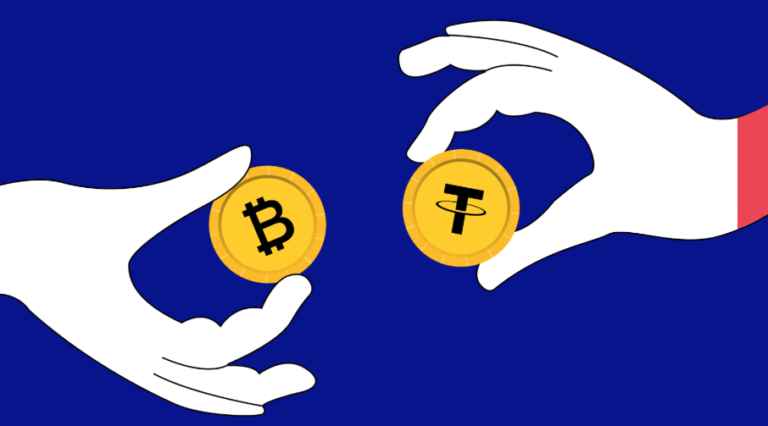
Coins and tokens occupy distinct roles in blockchain ecosystems. Coins are native to their blockchains, securing monetary sovereignty and on-chain value; tokens are programmable assets built atop existing chains, granting access, rights, or utility within a protocol. The differences span…
What Is Slippage in Crypto Trading?
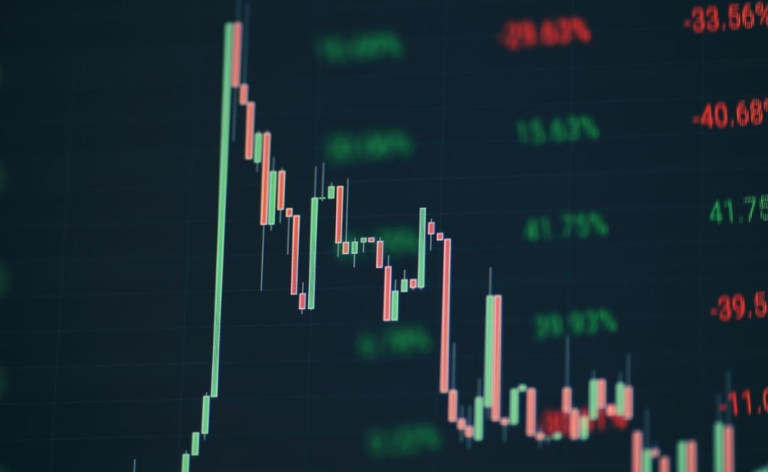
Slippage in crypto trading is the gap between expected and realized execution prices. It arises from rapid price moves, limited liquidity, and order-book dynamics. Traders quantify it with price deviations, latency, and cross-venue comparisons. The effect is uneven: sometimes favorable,…